
手工篆刻 · Hand-carved in stone
Cut in stone.
Carried for life.
Your name, finally, in the oldest language of identity.
Most Chinese names given to Westerners are phonetic copies — sounds dressed in characters, chosen by a generator with no knowledge of who you are. We work differently. We take time to know you: what you carry, how you move through the world, what you want your name to say about you. Then we find the Chinese that holds that truth — and have a master craftsman, trained in a tradition that fewer hands practise each year, cut it into stone. By hand. As it has always been done.
Commissioned by customers across more than fifteen countries — including retirement gifts for executives, wedding commissions for couples, and seals made for artists who wanted to mark their work the way Chinese painters have done for centuries.
Commission a seal — from $249 →Three to four weeks from commission to door · Ships worldwide
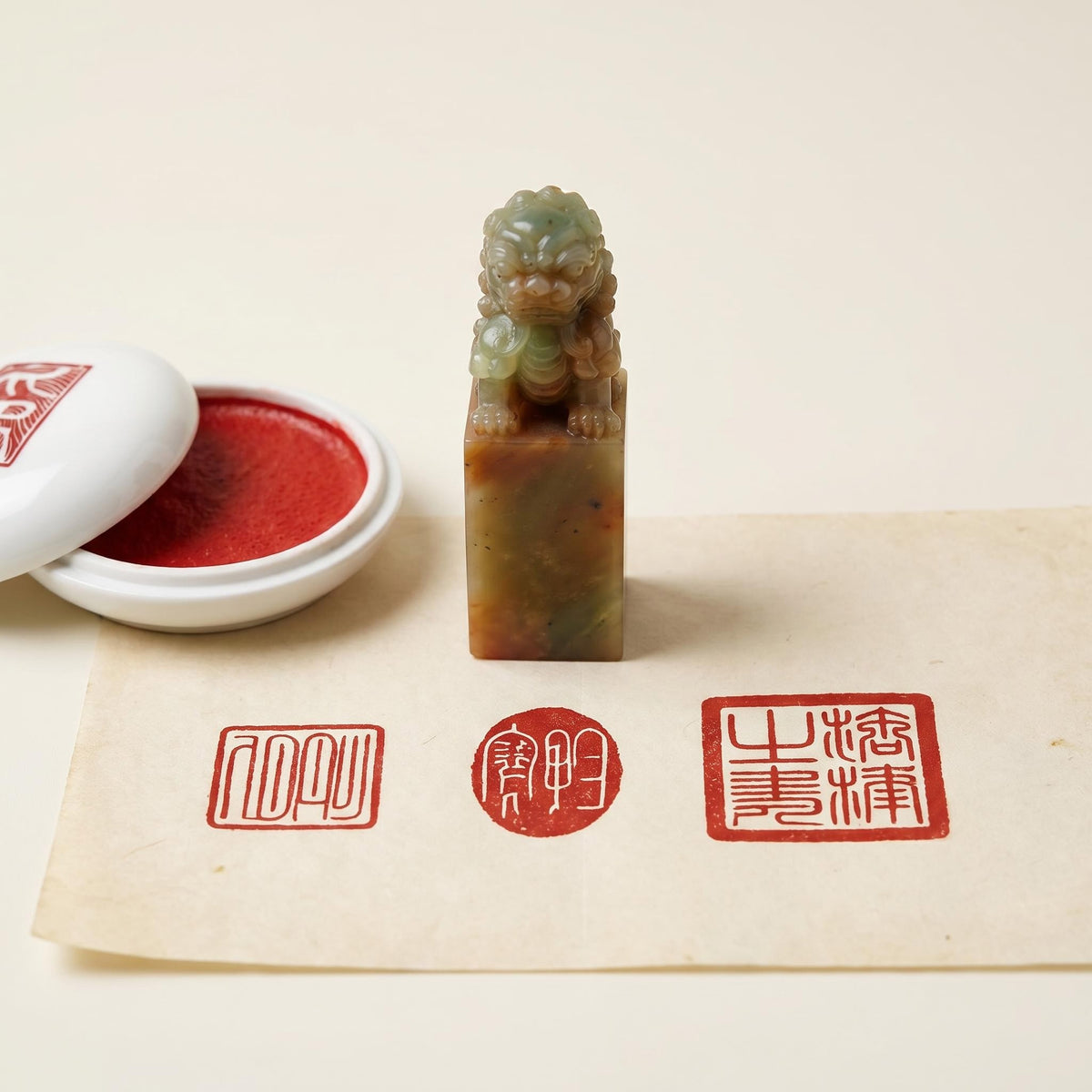
 The seal-makers’ quarter · Asia
Where this comes from
Before signatures.
Before printing.
There was the seal.
For three thousand years, the Chinese seal was how scholars signed their books, emperors authorised their edicts, and artists declared their work. To press your seal was to say: I was here. This is mine. I stand behind this.
The word 印 means both the object and the act — the seal and the impression it leaves. The mark, and what it means to make one.
This is one of the oldest art forms in Chinese culture — and one of the quietest to disappear. We exist, in part, to make sure it does not.
3,000
years of seal culture — and your name is now part of it
Before you go further
The questions worth asking.
We moved these up because uncertainty is the only thing standing between a good decision and a great one.
How we find your name
Not a translation. A revelation.
We begin with a conversation — not a form. Tell us who you are, what you carry, what you want your name to say. We take it from there. Three interpretations, offered to you by hand.
Traditional Chinese characters throughout · Mandarin and Cantonese pronunciation included
一
Method One · Phonetic Name
How the world hears you.
Your name rendered in Chinese phonetics — as close to the original sound as the language allows.
The phonetic method finds Chinese characters that echo the sound of your Western name. Sound comes first. We go further than a mechanical transliteration — every character we choose also carries a meaning worthy of the name it represents.
Arthur · Phonetic
亞瑟
Mandarin: Yà sè · Cantonese: Aa3 sak1
Sounds like Arthur. 亞 carries seniority and refinement. 瑟 the resonance of a classical instrument — something rare and carefully made.
二
Method Two · Root Name
Where your name comes from.
Drawn from the etymology and origin of your name — the spirit it was built to carry when it was first given.
Every Western name has an origin. A language it came from. A meaning it was built around. The Root Name goes back to that beginning — and finds Chinese characters that carry the same spirit forward. Not a translation of the sound. A translation of the idea.
Arthur · Root Name
霆威
Mandarin: Tíng Wēi · Cantonese: Ting4 wai1
Arthur's Celtic roots carry the bear — arth — a creature of thunderous presence and commanding force. 霆 captures that raw elemental power. 威 adds dominion and natural authority. A name that does not sound like Arthur. It means what Arthur means.
三
Method Three · 志名 Zhi Ming
Named for who you are becoming.
Crafted from who you are and who you want to become. Nothing to do with the original name — everything to do with you.
The 志名 — the name of aspiration — is built from the person, not the name they were given. We take what you share in your consultation: your character, your values, what you want to carry forward. Then we find the Chinese that holds all of that. A name entirely yours, in the oldest language of identity.
志名 · An example
誠睿
Mandarin: Chéng Ruì · Cantonese: Sing4 jeoi6
誠 integrity and honesty — the bedrock of trust. 睿 deep wisdom and foresight. A name for a visionary whose strength comes from clarity and principle. This name was built for a person, not translated from a word.
Not sure which method to choose? Tell us in your consultation and we will advise. Every commission receives all three proposals — you select the one that fits.
Traditional Chinese characters · Mandarin 普通話 and Cantonese 廣東話 pronunciation · Both traditions, because this is a Hong Kong studio
The carving
The masters who
still work by hand.
There are fewer each year.
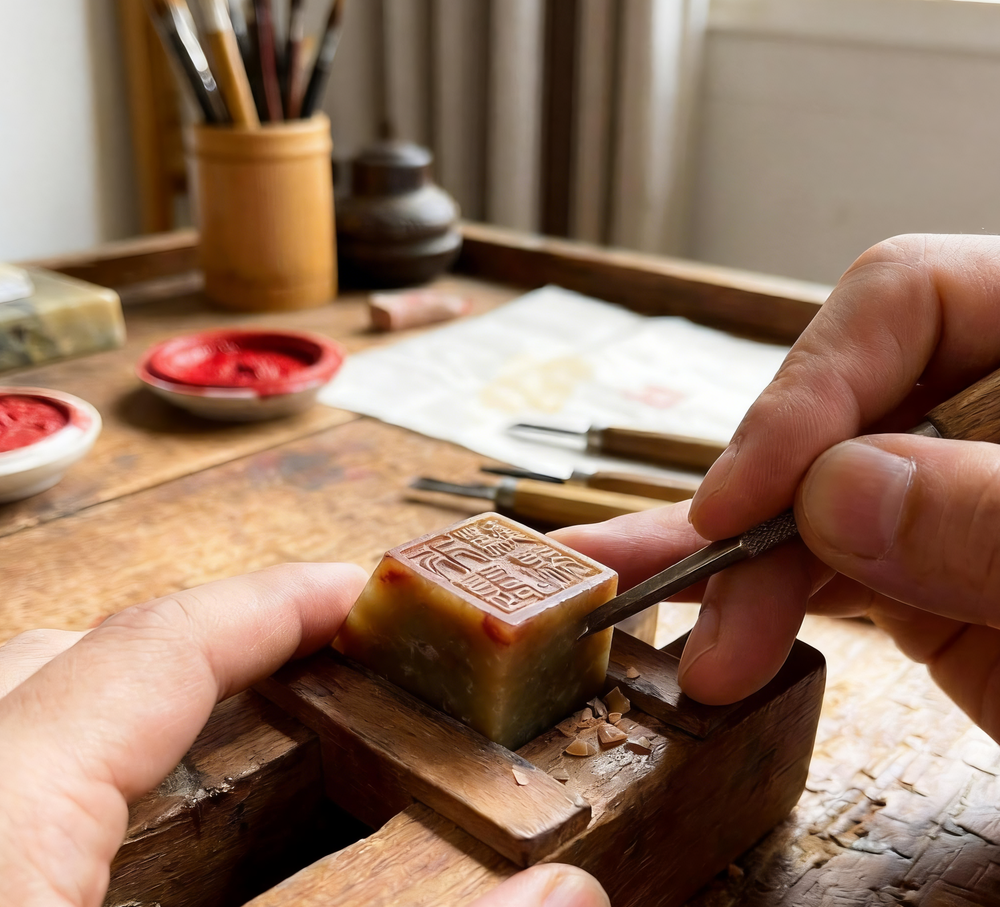
Traditional seal carving — 手工篆刻 — is a craft passed from master to apprentice for centuries. A master carver does not simply cut characters into stone. They read the stone first: its grain, its density, the particular way it wants to be worked.
This knowledge cannot be learned quickly. It lives in hands that have made thousands of seals — in the judgement that only comes from decades of practice.
The proof impression
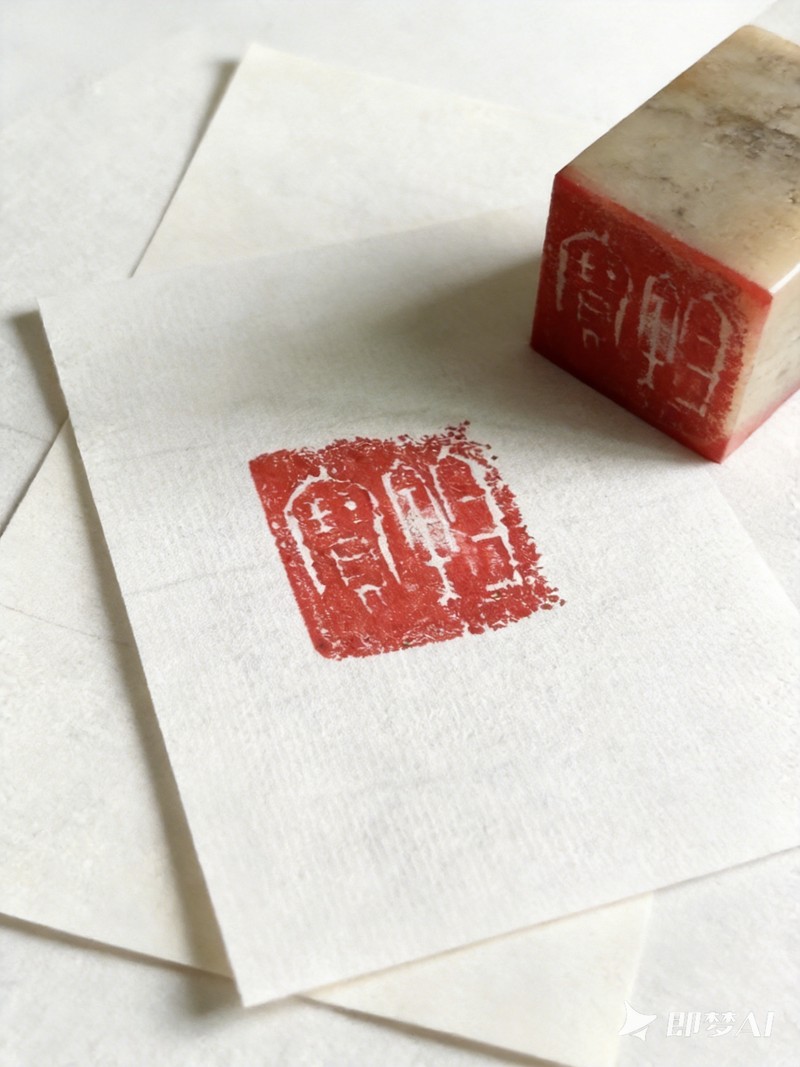
Before every seal is dispatched, the master presses it into vermillion cinnabar ink and stamps it onto rice paper. If the impression is not right, the seal is carved again.
Physical and digital
A seal for the world
you actually live in.
Your seal is carved in stone and pressed in vermillion cinnabar — as it has been done for three thousand years. It also arrives as a digital file, sized and formatted for the screen.
What arrives with your seal
Stone seal · Vermillion cinnabar ink paste · Presentation box · Name meaning card · Certificate of making · Digital files — JPEG, PNG, SVG · Worldwide tracked shipping
The commission
One seal. Everything that matters, included.
Every commission begins at $249. Should you want a different stone, script style, or presentation, we are glad to discuss.
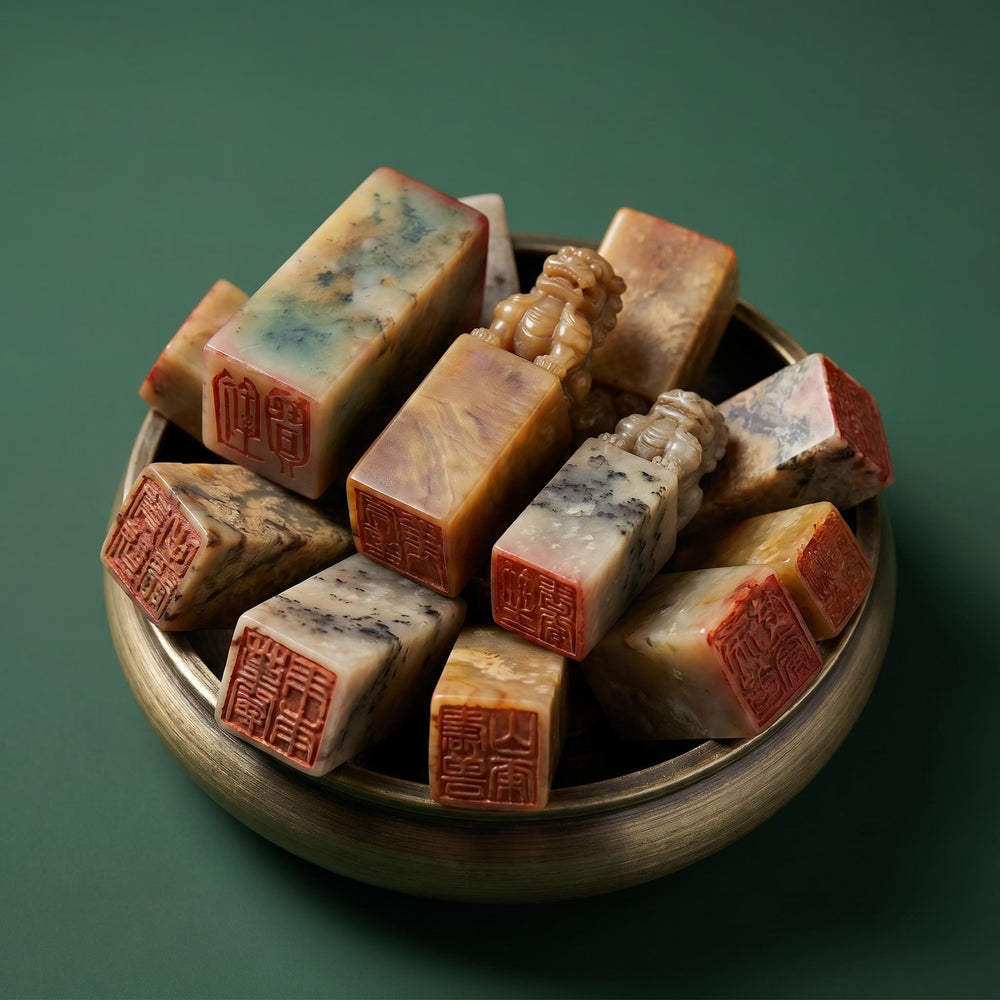
Qingtian grey-green soapstone · Seal script 篆書 · 20×20mm · Matte black presentation box
- Hand-carved by a master craftsman
- Three name interpretations, fully explained
- Vermillion cinnabar ink paste
- Name meaning card
- Certificate of making
- Digital files — JPEG, PNG, SVG
- DocuSign-ready digital version
- Worldwide tracked shipping
- Free remake if not perfect
- Permanent pronunciation page
For a bespoke commission — different stone, script, or presentation — write to us. We are glad to discuss.
Gifting? A gift code is available at checkout.
The master’s workshop.
Every stone handpicked · every cut deliberate
Our story
I grew up watching my father love this culture. For a long time, I thought it was just his thing.
My father is not a carver. He is a reader, a collector — someone who grew up surrounded by Chinese culture and carries it with the quiet certainty of a person who has never had to explain it to anyone. Until he did. To me.
When I was given my Chinese name, he was part of that conversation. He helped find characters that did not simply sound like my name — but held something true about it. It is one of the most considered things anyone has ever done for me.
Yìn Studio exists to give that to other people. A name considered carefully, built around who you are, and cut into stone by someone who has spent a lifetime learning how. Because that is the only way this should be done.
— Ruby · Founder, Yìn Studio
The Journal
On names, craft, and the culture of the seal.
May 30, 2026
How Chinese Names Are Actually Chosen — And Why Yours Might Mean Something Beautiful
There is a moment, in most Chinese families, when a newborn's name becomes the subject of serious conversation. Not a...
Read →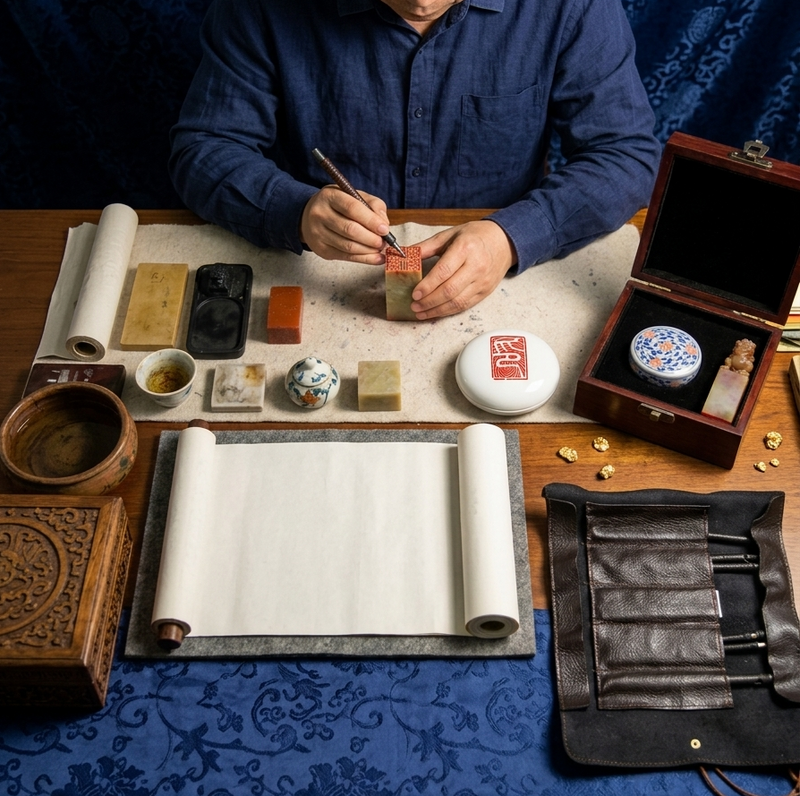
May 30, 2026
The Dying Art of Hand-Carved Seals — And the Masters Who Still Practise It
In most cities across Asia, you can get a seal cut by laser in twenty minutes. You hand over a piece of paper with yo...
Read →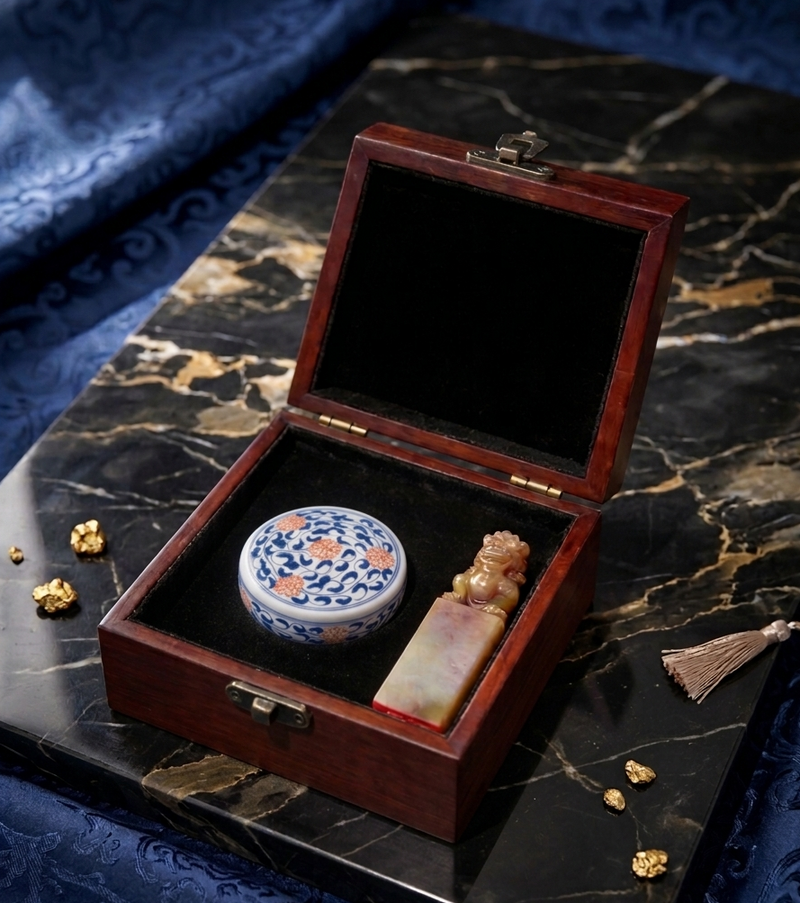
May 30, 2026
The Most Considered Gift You Will Ever Give
There is a category of gift that most people have never given and never received. Not expensive, necessarily — though...
Read →